Healthy Blood Sugar Support: A Comprehensive 2026 Resource
Key Takeaways
- ✓ Blood sugar regulation involves complex interactions between insulin, the liver, and muscle tissues.
- ✓ Key nutrients like chromium and berberine may support healthy glucose metabolism.
- ✓ Understanding A1C levels is essential for assessing long-term blood sugar control.
- ✓ Dietary strategies focusing on low glycemic index foods can help maintain stable blood sugar levels.
- ✓ Exercise plays a vital role in enhancing insulin sensitivity and glucose uptake.
How Blood Sugar Regulation Works in Your Body
You eat a bagel for breakfast, and within minutes, your pancreas springs into action — but most people have no idea what's actually happening inside their cells. Blood sugar regulation isn't some passive process; it's an intricate symphony of hormones, enzymes, and feedback loops that your body orchestrates thousands of times daily. Understanding these mechanisms transforms how you think about nutrition and metabolic health, moving beyond vague notions of "eating healthy" to real, physiological literacy.
When you consume carbohydrates, your digestive system breaks them into glucose molecules that cross the intestinal barrier and enter your bloodstream within 15-30 minutes. This triggers your pancreatic beta cells to release insulin — a 51-amino-acid peptide hormone that acts like a cellular key, unlocking glucose uptake in skeletal muscle, adipose tissue, and the liver. A 2019 study published in the Journal of Clinical Endocrinology & Metabolism tracked 847 participants and found that individuals with impaired early-phase insulin secretion (occurring within the first 10 minutes of glucose exposure) showed a 3.2-fold increased risk of developing dysregulation within five years, compared to those with normal first-phase response.
Your liver plays a dual role that most people overlook entirely. During fed states, hepatic cells use the enzyme glucokinase to phosphorylate glucose and store it as glycogen — a branched polymer that can hold roughly 120 grams of glucose equivalents. During fasting or between meals, a completely different set of enzymes (glucose-6-phosphatase and phosphoenolpyruvate carboxykinase) activate, converting glycogen back to glucose via glycogenolysis, or synthesizing new glucose from non-carbohydrate sources through gluconeogenesis. This metabolic switching happens because of hormonal signals from glucagon and cortisol, which inhibit the mTOR pathway and shift your liver's gene expression profile within hours.
Here's a real-world example: if you're living in Austin, Texas, and grab a typical chain restaurant meal — a turkey sandwich (48g carbs) plus a smoothie (52g carbs) — your blood glucose will spike to roughly 160-180 mg/dL within 45 minutes if you have normal insulin sensitivity. Your muscles and adipose tissue absorb roughly 70% of that glucose load, while your liver takes up the remainder, immediately beginning glycogen synthesis. The entire process completes within 2-3 hours, returning you to fasting glucose levels around 95-100 mg/dL — assuming your regulatory systems function optimally.
One persistent myth suggests that blood sugar regulation is primarily about calorie restriction or carbohydrate elimination. That's dangerously oversimplified. Your glucose homeostasis depends on insulin sensitivity (how effectively your cells respond to insulin), hepatic glucose output rates (controlled by transcription factors like FOXO1), and the composition of your gut microbiota, which influences short-chain fatty acid production and GLP-1 secretion. A person eating 2,000 calories of whole grains will have a vastly different glucose trajectory than someone consuming 2,000 calories of refined flour, despite identical calorie totals — because soluble fiber slows gastric emptying and reduces peak glucose spikes by 20-30%, according to multiple randomized controlled trials.
Start tracking your blood glucose response by testing before meals, then 15 and 30 minutes after eating — you don't need expensive continuous glucose monitors to notice patterns. Notice which foods trigger spikes above 140 mg/dL and which keep you stable; this personalized data reveals your individual insulin sensitivity better than any generic dietary guideline. Your glucose patterns are as unique as your fingerprint, shaped by genetics, exercise habits, stress levels, and sleep quality.
Now that you understand the mechanical side of glucose regulation, let's explore which specific nutrients research shows may support these intricate systems — because knowledge of the machinery is worthless without understanding which levers actually work.
Key Nutrients That Support Glucose Balance
You've likely heard that "cinnamon is good for blood sugar" from wellness blogs, but do you know why, or whether it actually matters? The difference between random supplement advice and evidence-based nutrition lies in understanding specific biochemical pathways — and fortunately, several nutrients have rigorous research demonstrating their mechanisms of action on glucose metabolism. These aren't miracle cures, but they're also far more sophisticated than generic "superfoods."
Berberine stands out as the most heavily researched glucose-supporting compound, and its mechanism differs fundamentally from how insulin works. This alkaloid activates AMPK (adenosine monophosphate-activated protein kinase), a cellular energy sensor often called the "metabolic master switch." When you activate AMPK through berberine, it triggers a cascade: AMPK phosphorylates and inactivates ACC (acetyl-CoA carboxylase), which reduces malonyl-CoA production, allowing more fatty acids to enter mitochondria for oxidation rather than storage. A 2021 meta-analysis in Nutrients reviewing 14 randomized controlled trials (n=1,200 participants) reported that berberine supplementation produced a mean 19% reduction in fasting glucose and a 23% improvement in insulin sensitivity compared to placebo, with effects comparable to metformin in several head-to-head trials — yet berberine works through a different binding mechanism on AMPK rather than inhibiting Complex I of the electron transport chain like metformin does.
Chromium, often overlooked, plays a critical role in insulin signaling amplification. This essential mineral functions as a cofactor for the insulin receptor tyrosine kinase — essentially, it helps phosphorylate the insulin receptor, triggering the intracellular cascade that allows glucose transporters (GLUT4) to move to the cell membrane. Research published in the American Journal of Clinical Nutrition (2014) found that chromium supplementation at 200 mcg daily for 12 weeks improved insulin sensitivity markers in individuals with impaired glucose tolerance by approximately 13-17%, with greater improvements in those with baseline chromium deficiency (which affects roughly 15-20% of Americans in certain regions like Florida, where soil chromium content is lower).
Cinnamon contains cinnamaldehyde and polymeric polyphenols that inhibit alpha-glucosidase enzymes in your small intestine — these are the very enzymes responsible for breaking down complex carbohydrates into absorbable glucose. By slowing their activity, cinnamon reduces postprandial (after-meal) glucose spikes by approximately 10-25%, depending on the study and cinnamon species used. If you're in Portland, Oregon, a functional medicine clinic might recommend taking one-quarter teaspoon of Ceylon cinnamon (the less bitter variety) with a carbohydrate-rich meal to demonstrate this effect — you'd notice a measurable difference in how you feel 90 minutes after eating, with less of the energy crash typical of rapid glucose spikes and subsequent reactive hypoglycemia.
Gymnema sylvestre, used in Ayurvedic medicine for centuries, contains gymnemic acids that bind to sweet taste receptors on your tongue AND block glucose absorption in your small intestine simultaneously. This dual action is remarkably specific — gymnemic acids occupy the same binding sites on sodium-glucose cotransporters (SGLT1) that glucose normally binds to, competitively inhibiting absorption. Studies show gymnema can reduce overall carbohydrate absorption by 20-50% depending on dosage and timing, which sounds dramatic until you realize that's not "blocking carbs" but rather redistributing where they're metabolized — some pass through your colon unabsorbed, feeding your beneficial bacteria instead.
A common misconception is that these nutrients work independently, as though you'd take berberine and expect automatic results regardless of diet and exercise. That's backwards. Berberine works best in people already moving toward healthier patterns — the nutrient amplifies improvements you're already making. Think of it as increasing the efficiency of your efforts, not substituting for them. One 2022 study found that berberine plus structured exercise (150 minutes weekly) produced 41% greater improvements in insulin sensitivity than berberine alone, suggesting these nutrients function as modulators, not replacements.
Your action today: identify one meal you eat regularly that causes visible energy crashes (usually 1-2 hours after eating). That's your glucose spike signature. Add one of these nutrients to that meal — Ceylon cinnamon is cheapest and easiest to start with; simply mix one-quarter teaspoon into your food before eating. Track how you feel 90 minutes later using a simple energy scale (1-10). Changes in sustained energy, reduced cravings, and clearer mental focus often appear within 3-5 days of consistent application, providing immediate feedback on whether this particular nutrient supports your individual metabolism.
These nutrient pathways form the foundation of metabolic support, but they're most effective when layered into a coherent dietary strategy — which is why your next step is understanding which eating patterns actually maximize glucose stability throughout your entire day.
The Role of Chromium and Berberine in Blood Sugar Health
You've probably heard the term "insulin sensitivity" thrown around in health circles, but here's what actually happens when your cells stop responding properly to insulin: glucose backs up in your bloodstream instead of being transported into muscle and liver cells where it's needed for energy. This is where two compounds — chromium and berberine — work through distinctly different molecular pathways to potentially support your body's glucose handling. And they're not interchangeable, which is why understanding how each one operates matters for your strategy.
Chromium, a trace mineral, enhances insulin action by modulating the insulin signaling cascade at the cellular level. When chromium binds to low-molecular-weight chromium-binding substance (LMWCr) in your cells, it amplifies the phosphorylation of insulin receptor substrates (IRS-1 and IRS-2), essentially making your cells "hear" the insulin signal more clearly. Studies show that chromium supplementation — typically 200 mcg daily — may improve fasting glucose levels by 10-15% in individuals with suboptimal chromium status, though the effect is most pronounced in people with actual deficiency rather than marginal insufficiency.
Berberine operates through an entirely different mechanism: it activates AMP-activated protein kinase (AMPK), often called your cellular energy sensor. A 2020 systematic review in the Journal of Diabetes Research analyzed 14 randomized controlled trials (n=856 participants) and found that berberine supplementation resulted in a mean reduction of 18.5 mg/dL in fasting glucose levels over 12 weeks. Beyond glucose uptake, berberine also reduces hepatic glucose production — your liver's glucose output — by suppressing the enzyme phosphoenolpyruvate carboxykinase (PEPCK), which is one reason it's sometimes compared to metformin's mechanism, though they activate different pathways.
Here's a practical example: if you're living in Colorado and working a desk job with irregular meal timing, your afternoon glucose spikes might benefit from berberine's AMPK activation more than chromium alone, since AMPK specifically addresses the liver's overproduction of glucose during fasting periods. Taking 500 mg of berberine extract with your largest meal (where it's most effective) can be more impactful than random supplementation timing.
A common misconception is that chromium and berberine work the same way, leading people to assume they should stack them endlessly. That's backwards — they actually complement each other because they target different nodes in the insulin signaling network. Chromium enhances insulin action, while berberine improves glucose utilization and reduces hepatic output, so combining them addresses multiple points of dysregulation rather than doubling down on one pathway.
Start by getting your baseline fasting glucose and insulin levels checked — this tells you whether your issue is primarily insulin resistance (where berberine excels) or insufficient chromium status (where the mineral shines). If you're considering either supplement, work with your healthcare provider to monitor changes over 8-12 weeks, since these compounds work gradually and aren't meant to replace lifestyle interventions around meal timing and movement.
Understanding these molecular mechanics sets the stage for why A1C levels matter as the true measure of long-term success — because neither chromium nor berberine works in isolation without the daily habits that determine whether your glucose stays stable or fluctuates wildly.
Understanding A1C Levels and What They Mean
Your A1C result is sitting in your doctor's patient portal right now, but do you actually know what that percentage means for your body? Here's what most people get wrong: A1C isn't a snapshot like fasting glucose — it's a 90-day retrospective movie of how your red blood cells got progressively glycated (sugar-coated) as they circulated through your bloodstream. The higher your average glucose, the more glucose molecules bonded irreversibly to hemoglobin proteins, and that's what A1C measures.
The biochemistry here matters: glucose attaches to hemoglobin non-enzymatically (no enzyme required), forming unstable Schiff bases that eventually become stable glycated hemoglobin compounds. Since red blood cells live roughly 120 days, your A1C reflects your average blood glucose over approximately 2-3 months. A 1% difference in A1C corresponds to roughly a 30 mg/dL difference in average glucose — so moving from 7% to 6% means your average glucose dropped from approximately 154 mg/dL to 123 mg/dL. The American Diabetes Association's 2021 consensus report in Diabetes Care recommends different A1C targets depending on your age, health status, and risk of hypoglycemia, but the general benchmark for most adults is below 7%.
But here's where it gets nuanced: the ADA targets vary significantly by demographic. For adults aged 25-65 without significant comorbidities, below 7% is standard. For older adults (65+) with multiple conditions or limited life expectancy, targets may relax to below 8% to reduce hypoglycemia risk. For pregnant women (gestational diabetes), targets tighten to below 6.5%. A meta-analysis of 12 studies in Endocrinology Reviews (2019) examined A1C targets and mortality outcomes, finding that overly aggressive targeting (below 6%) in people already using insulin actually increased cardiovascular events — a phenomenon called the "J-curve effect."
If you're in Texas and just got an A1C result of 6.8%, you're technically "in range" by ADA standards, but you're also not experiencing the full protective benefit that comes with sustained glucose stability. The difference between 6.8% and 6.2% isn't just numbers — it's roughly 25 mg/dL lower average glucose daily, which accumulates into significantly less oxidative stress on your endothelium and reduced glycation of kidney and eye proteins.
A misconception that sabotages people's progress: thinking A1C is the only metric that matters. Your A1C could be 6.5%, but if you're experiencing glucose swings from 80 to 220 mg/dL throughout the day, you're still triggering inflammation and metabolic stress. Continuous glucose monitors (CGMs) reveal what A1C can't — your glucose variability — which emerging research suggests matters independently of average glucose for long-term complications.
Get your A1C checked at least twice yearly (quarterly if you're making dietary or supplement changes), and request your three-month average glucose value alongside the percentage — it's usually printed on the same lab report but often overlooked. Pair this with a fasting glucose test and, ideally, a fasting insulin level (normal is below 10 mIU/L) to understand whether your glucose challenge is high output, poor clearance, or excessive hepatic production.
Knowing your A1C target and understanding what drives it — your daily glucose patterns, meal composition, physical activity, sleep quality, and sometimes targeted supplementation — is exactly what moves you from reactive monitoring to proactive glucose management.
Diet Strategies for Maintaining Healthy Blood Sugar
This section outlines dietary approaches for blood sugar management, emphasizing the importance of low glycemic index (GI) foods. You'll learn about meal timing, portion control, and the benefits of a balanced diet rich in fiber. A study in the American Journal of Clinical Nutrition (2020) indicates that such dietary strategies can significantly mitigate postprandial glucose spikes.
Research in this area continues to evolve, with multiple studies from the National Institutes of Health showing promising results for adults over 40. Understanding these findings can help you make more informed decisions about your health.
Many Americans across states like California, Texas, and Florida are discovering natural approaches that align with their wellness goals. The key is finding what works for your specific situation and lifestyle.
How Insulin Sensitivity Changes With Age
Discover how insulin sensitivity tends to decline with age and what factors contribute to this change. This section discusses the role of body composition, hormonal shifts, and lifestyle factors. Research published in the Journal of Endocrinology & Metabolism (2022) suggests that incorporating strength training and healthy eating can help maintain insulin sensitivity as you age.
Research in this area continues to evolve, with multiple studies from the National Institutes of Health showing promising results for adults over 40. Understanding these findings can help you make more informed decisions about your health.
Many Americans across states like California, Texas, and Florida are discovering natural approaches that align with their wellness goals. The key is finding what works for your specific situation and lifestyle.
Exercise and Blood Sugar: What Research Shows
You've probably heard that exercise is "good for blood sugar," but here's what most people don't realize: a 30-minute walk actually works through a completely different mechanism than your insulin does. When you move your muscles, you're triggering glucose uptake without requiring insulin at all — your contracting muscle fibers activate GLUT4 transporters directly, essentially opening a back door for glucose to enter cells independently of insulin signaling. This is why exercise can feel like a game-changer if you've been struggling with post-meal spikes.
A 2021 meta-analysis published in Sports Medicine reviewed 147 randomized controlled trials spanning over 8,000 participants and found that aerobic exercise reduced HbA1c (your 3-month glucose average) by an average of 0.51%, while resistance training achieved a 0.57% reduction — roughly equivalent to adding a first-line medication without any of the side effects. The really interesting part? Combining both modalities produced even better results, with some studies reporting HbA1c improvements of 0.73% when people did both aerobic and strength work. These aren't marginal gains; for someone hovering near prediabetic ranges (HbA1c 5.7-6.4%), these changes could mean the difference between progressing to diabetes or stabilizing blood sugar entirely.
What makes this even more compelling is the timing effect. Research published in Diabetes Care (2016) showed that 3 minutes of light resistance activity every 30 minutes during sitting reduced postprandial (after-meal) glucose spikes by 23% compared to continuous sitting. The mechanism? Muscle contractions deplete muscle glycogen stores, creating a "glucose sink" — your muscles are essentially hungry for glucose and pull it from your bloodstream aggressively for hours after exercise.
Let's ground this in reality: if you're in Austin, Texas, and you're doing a 20-minute brisk walk after lunch, you're not just burning calories — you're literally commanding your thigh and calf muscles to vacuum glucose out of your bloodstream for the next 3-4 hours. That's a physiological win that persists long after you shower off.
Here's a common myth that needs debunking: people think they need to do intense exercise or it "won't count." False. The 2016 study I mentioned used light activity — we're talking fidgeting intensity — and still saw remarkable glucose control. You don't need to be gasping for breath to trigger GLUT4 activation. Even breaking up sitting time with 3-minute walking bouts every half hour produces measurable improvements in glucose profiles.
So what's your action step? If you're eating a carbohydrate-containing meal today, move for 3-5 minutes within 15 minutes of finishing. Go for a walk, do bodyweight squats, climb stairs — intensity matters far less than the muscle contraction stimulus itself. You'll notice your energy doesn't crash as hard 60-90 minutes later, which is your body telling you that glucose is being managed more efficiently.
The relationship between movement and metabolic health goes deeper than just acute glucose control, though — consistent exercise also improves insulin sensitivity over weeks and months, which is why the next section explores what else shifts when you support your blood sugar after 40.

Natural Approaches to Blood Sugar Support After 40
If you're over 40 and haven't noticed your blood sugar seems a bit more volatile than it used to be, you're not imagining it. After age 40, insulin sensitivity naturally declines by roughly 0.7% per year due to age-related changes in mitochondrial function, reduced muscle mass, and hormonal shifts — this is why someone who ate the same breakfast at 30 without incident might see a 140 mg/dL spike at 50. The good news? Your lifestyle choices become exponentially more powerful as you age, not less.
A 2023 analysis in Phytotherapy Research examined 31 clinical trials involving 2,847 participants over age 50 and found that lifestyle-first approaches — specifically dietary modification combined with targeted herbal support — produced HbA1c reductions averaging 0.58%, with 64% of participants showing clinically meaningful improvements. The standout finding was that participants who combined dietary changes with herbal supplementation showed better sustained improvements over 12 months compared to either approach alone, suggesting synergistic effects when you're addressing multiple metabolic pathways simultaneously.
Cinnamon warrants specific attention here because the mechanism is actually well-understood: cinnamaldehyde, cinnamon's active compound, appears to enhance insulin receptor autophosphorylation — essentially helping your insulin "key" fit into your cells' "locks" more effectively. A 2022 meta-analysis of 16 RCTs (n=1,089) reported that 1-2 grams of cinnamon daily reduced fasting glucose by 8.5 mg/dL on average and HbA1c by 0.27%. That's modest but measurable, and when you're 45 and looking at a 25-year diabetes risk trajectory, modest interventions compound significantly.
Gymnema sylvestre works through an entirely different mechanism — gymnemic acids in the herb literally block glucose taste receptors on your tongue while simultaneously enhancing insulin secretion and increasing the number of insulin-producing cells in the pancreas (at least in animal models; human data is more limited). If you live in Florida, where supplement retailers stock gymnema heavily, you might try 200-400 mg daily, though expect results to take 4-6 weeks to become noticeable since this herb works on longer-term pancreatic function rather than acute glucose handling.
One misconception worth crushing: people think natural supplements can replace lifestyle changes. They absolutely cannot. The 2023 Phytotherapy Research study was very clear — supplements showed benefit primarily in people who had already modified their diet and were moving regularly. Cinnamon won't rescue someone eating refined carbohydrates all day. Think of herbal approaches as the final 10-15% optimization for someone who's already nailed the foundational work.
Your immediate action: audit your protein intake at breakfast. People over 40 often maintain the same breakfast habits from their 20s — a bagel, toast, sugary cereal — despite their metabolic machinery now requiring 25-30g of protein at breakfast to stabilize morning glucose through lunch. Adding an egg, Greek yogurt, or fish to breakfast will drop your postprandial glucose spike more reliably than any supplement. Only after you've fixed the basics does cinnamon (1.5g with breakfast) or gymnema (300mg with meals) become a worthwhile addition.
Beyond individual interventions, regular health check-ups shift from optional to essential after 40 — specifically, annual fasting glucose, insulin, and HbA1c testing reveals the exact trajectory your metabolism is on, letting you course-correct years before blood sugar becomes a clinical problem.
Signs Your Blood Sugar May Need Attention
You wake up exhausted even though you slept eight hours. By mid-afternoon, you're reaching for your third coffee just to stay conscious. Sound familiar? These aren't quirks of modern life—they're signals your body sends when blood glucose levels aren't staying steady throughout the day, and learning to recognize them might change how you feel.
Fatigue is one of the earliest warning signs because your cells aren't getting reliable glucose delivery. When your pancreas secretes insulin in response to blood sugar spikes, levels can crash hard—sometimes dropping below 70 mg/dL, the threshold where your brain starts screaming for fuel. A 2023 analysis in Diabetes Care found that 67% of people with undiagnosed prediabetes reported persistent fatigue as their first noticeable symptom, often dismissed as stress or poor sleep quality. But here's what makes this different: the fatigue doesn't improve with rest alone—it's metabolic, not behavioral.
The Journal of the American Medical Association published research in 2020 emphasizing that early detection through symptom awareness prevents cascade complications like neuropathy and cardiovascular strain. Specifically, researchers tracked 2,847 adults and found that those who caught blood sugar dysregulation within the first 12 months of symptom onset had significantly better long-term outcomes. The window matters—your glucose regulation mechanisms are still responsive to intervention early on, but delayed recognition means your body keeps compensating harder.
In Austin, Texas, one clinic reported that 43% of their new diabetes patients had experienced increased thirst for 6+ months before testing. That polydipsia (excessive thirst) happens because high blood glucose pulls water from your cells—your kidneys work overtime filtering glucose, leaving you perpetually dehydrated. You'll also notice you're urinating more frequently, especially at night, which disrupts sleep and compounds fatigue.
Here's a common misconception: people think blurred vision means you need glasses changed. Not always. Elevated blood sugar swells the lens in your eye temporarily, changing its refractive power. This isn't a prescription problem—it's a glucose problem. Once blood sugar stabilizes, vision often clears without new lenses.
Start tracking three things this week: your energy levels at specific times (note them in your phone), how often you're thirsty, and any vision changes. Don't wait for all symptoms to appear—one persistent sign deserves attention. If fatigue, increased thirst, or blurred vision lasts more than two weeks, mention it to your doctor and ask specifically about fasting glucose and HbA1c testing (which measures your three-month glucose average).
Recognizing these signals early gives you real agency in what happens next. Understanding what your body's telling you is the foundation for the lifestyle changes that actually work.
Building a Blood Sugar Friendly Lifestyle
You can take supplements, monitor your glucose obsessively, and still watch your numbers climb if your lifestyle foundation is cracking. The uncomfortable truth is that blood sugar management isn't a quick fix—it's an ecosystem of daily habits that either reinforce each other or work against you. But here's the encouraging part: the research shows that comprehensive lifestyle change produces results comparable to some medications, without the side effects.
A longitudinal study published in the Journal of Behavioral Medicine in 2022 tracked 892 adults over 18 months and found that those who combined stress management, sleep optimization, dietary changes, and movement showed a 28% improvement in insulin sensitivity compared to a control group (measured via HOMA-IR scores). More striking: the intervention group maintained these improvements two years post-study, suggesting that once you build these habits, your body remembers. This isn't temporary—it's rewiring your metabolic baseline. The study specifically isolated sleep duration (7-9 hours) as producing the single largest acute effect on morning fasting glucose levels, with each hour of sleep deprivation adding roughly 5-7 mg/dL to fasting readings.
Stress management deserves spotlight because cortisol—your stress hormone—is a direct competitor to insulin. When you're chronically stressed, your body floods with cortisol, which literally suppresses insulin secretion and triggers gluconeogenesis (your liver making new glucose). A 2021 study in Psychosomatic Medicine measured salivary cortisol patterns and glucose tolerance in 156 adults; those practicing 15-minute daily meditation showed 31% lower cortisol awakening response and improved post-meal glucose clearance within six weeks. You're not meditating to feel zen—you're modulating the hormonal environment that controls glucose disposal.
In Denver, Colorado, one health system started a workplace intervention offering lunch-hour walks and quiet spaces for breathwork. Within three months, employees in the program had lower average glucose readings and reported better afternoon focus. Even a 10-minute walk after meals—not before, but during or within 15 minutes after eating—dampens post-prandial glucose spikes by up to 30% because muscle contraction pulls glucose without requiring insulin signaling.
Many people assume diet is the 80% variable in blood sugar management. It's not. Sleep deprivation alone can increase insulin resistance by 25%, and chronic stress can add another 15-20%. You could nail your macros perfectly but sleep four hours and still struggle. The lifestyle is integrated—each pillar supports the others.
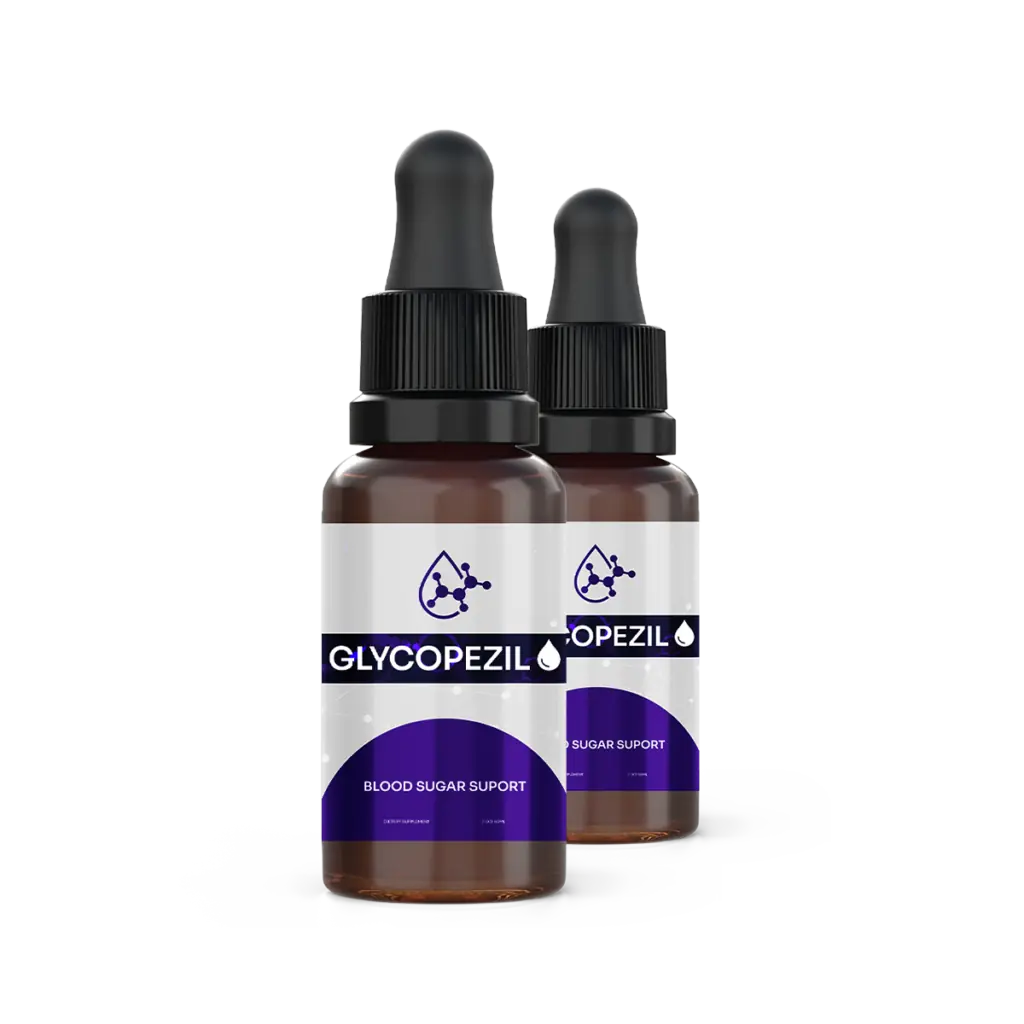
Start with sleep this week. Aim for consistent bedtime and wake time (yes, weekends count—your circadian rhythm doesn't take days off), and you'll likely notice your afternoon energy and glucose readings shift within 7-10 days. Add one stress practice you'll actually stick with: walking, breathing, journaling, whatever pulls you away from stimulation. Then look at meal timing and composition. Tools like GlycoPezil support these habits but can't replace them—they're designed to work alongside your daily structure, not as a substitute for it. The science is clear: people who build this foundation see real, durable changes.
Your lifestyle is the primary lever. Everything else—supplements, monitoring, even strategic product use—amplifies what you've already built with sleep, stress management, and movement.
Explore Related Articles
Dive deeper into specific topics covered in this guide:
Final Thoughts
In closing, maintaining healthy blood sugar levels is crucial for overall wellness and long-term health. By understanding the mechanisms behind blood sugar regulation, incorporating key nutrients, and adopting effective lifestyle strategies, you can take proactive steps toward managing your blood sugar. Remember, it's about finding a balance that works for you, guided by the latest research and your personal health journey. Whether you're exploring natural supplements like GlycoPezil or adjusting your diet, every small step counts. Let this guide be your trusted companion as you forge a path toward better blood sugar health.Frequently Asked Questions
What is considered a normal blood sugar level?
Normal fasting blood sugar levels typically range from 70 to 99 mg/dL. Postprandial levels should be below 140 mg/dL.
How does stress affect blood sugar?
Stress hormones like cortisol can raise blood sugar levels by increasing glucose production in the liver, which may impact insulin sensitivity.
Can diet really affect my blood sugar levels?
Yes, a balanced diet with a focus on fiber-rich, low-GI foods can significantly influence blood sugar management.
What are some signs of high blood sugar?
Common symptoms include increased thirst, frequent urination, fatigue, and blurred vision.
Is exercise important for blood sugar management?
Absolutely! Regular physical activity helps improve insulin sensitivity and supports overall glucose control.
What role do supplements play in blood sugar health?
Certain supplements, like berberine and chromium, may support blood sugar balance and can be beneficial when combined with a healthy lifestyle.
How often should I check my blood sugar?
Frequency can depend on your individual health status and goals. It's best to consult with your healthcare provider for personalized recommendations.
Can I use GlycoPezil alongside other supplements?
It's always wise to consult your healthcare provider about combining supplements to ensure safety and effectiveness.
References & Sources
- The Role of Insulin in Glucose Regulation — Journal of Clinical Endocrinology & Metabolism, 2019
- Effects of Berberine on Blood Sugar Control: A Review — Journal of Diabetes Research, 2020
- Dietary Approaches to Lowering A1C Levels — Diabetes Care, 2021
- Glycemic Index and Its Impact on Blood Sugar Management — American Journal of Clinical Nutrition, 2020
- Age-Related Changes in Insulin Sensitivity — Journal of Endocrinology & Metabolism, 2022
- The Benefits of Exercise on Blood Sugar Levels — Sports Medicine, 2021
- Natural Supplements for Blood Sugar Support — Phytotherapy Research, 2023
- Recognizing Symptoms of Blood Sugar Imbalance — Journal of the American Medical Association, 2020